
 Member login
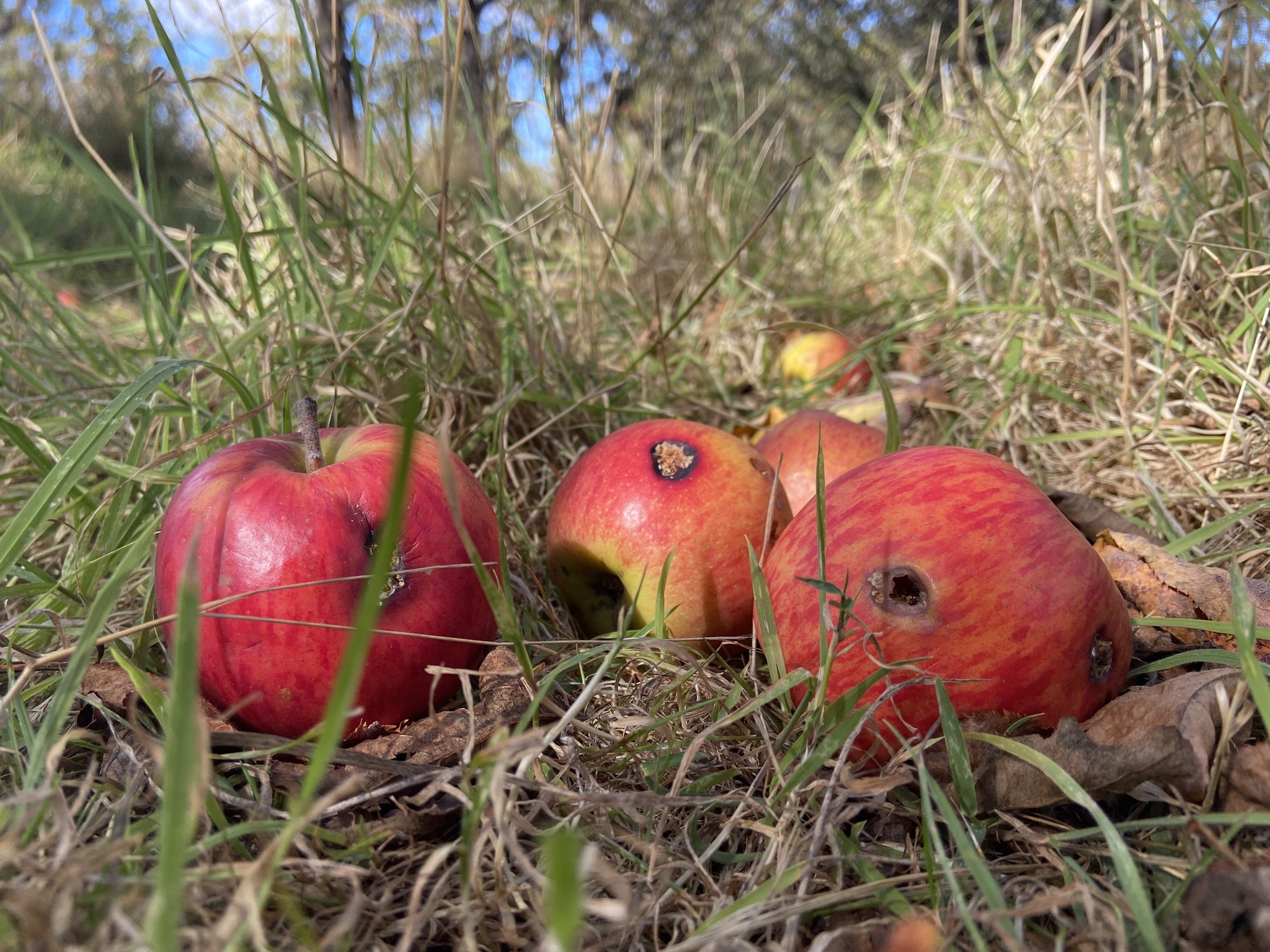
Abandoned or unmanaged orchards
Abandoned or unmanaged orchards are a potential host of pests and diseases that can pose a significant concern for neighbouring properties.
Owners of an unmanaged orchard are legally responsible for the management of pests, diseases and weeds in their orchard. This responsibility also applies to a landholder who has taken over or purchased a site but doesn’t want to manage the plantings for horticultural purposes.
A landowner or grower wishing to discontinue an orchard partially or entirely must consider and address the risks that pests and diseases from their property may present to surrounding growers. This may necessitate the removal of the discontinued orchard.
Legal requirements
Manage pests and disease
Landowners have a General Biosecurity Duty under the Biosecurity Act 2019 to manage pest, disease and weed populations to a reasonable and practical level so that they do not spread to nearby properties. This creates an expectation that landowners will implement actions where required to keep pest, disease and weed populations at levels which do not pose a risk to other landowners and businesses.
Unmanaged or abandoned orchards
Unmanaged or abandoned orchards may present a risk to the biosecurity of the surrounding region, its industries and the environment. Neglect or abandonment of an orchard is highly unlikely to comply with the general biosecurity duty.
Management options
Monitoring and management of weeds, pests and disease
If trees are to be kept, they still need to be managed to minimise biosecurity risks. Control programs for pests and diseases must be maintained appropriately to seasonal conditions. Any unpicked fruit should be knocked to the ground and mulched to minimise the risk of propagating pests.
The best option for a property owner who plans to cease production or discontinue their orchard may be to remove all trees or plants to minimise biosecurity risks as hosts for pests and diseases.
Removal of trees
If the decision has been made not to keep the trees, the most efficient way to remove orchard trees is to use an excavator to dig them out.
Report a complaint
If your business is being affected by pests or diseases from a neighbouring neglected orchard or property, the matter can be pursued by reporting it to Biosecurity Tasmania via the Report It webpage and/or notifying Fruit Growers Tasmania. The information provided will determine whether the case warrants further investigation.
Provide as much information as possible, including:
- GPS location/s of unmanaged fruit trees
- Type of fruit tree on unmanaged orchard
- Number of unmanaged trees at the site
- Area (ha) of the unmanaged site
- Which pests and diseases are evident
- Frequency and type of management observed
- When the issue arose and how long it has persisted
- Proximity to commercial managed orchard
- Total production area of commercial managed orchards within 1.5km, including crop type
- Impact on the commercial managed orchard: e.g. frequency of spraying, severity of the issue, which pests or diseases (if any) are of trade concern to an export market, cost to grower, suggested solution
- Any other relevant information.
An inspection may be undertaken that may result in the issuing of an ‘Infested Land Notice’ using powers under the Plant Biosecurity Act 2010. The Notice can require the property owner to take action to control pests or diseases.
If you would prefer Fruit Growers Tasmania to lodge a complaint to Biosecurity Tasmania on behalf of the industry contact Grace Lamont on 0408 987 624 or grace@fruitgrowerstas.org.au for further information.